Honestly, the best one in Van City. We tried it with the best staff, and the service was perfect. The atmosphere is really cozy and nice; you can spend hours there and truly enjoy your time.
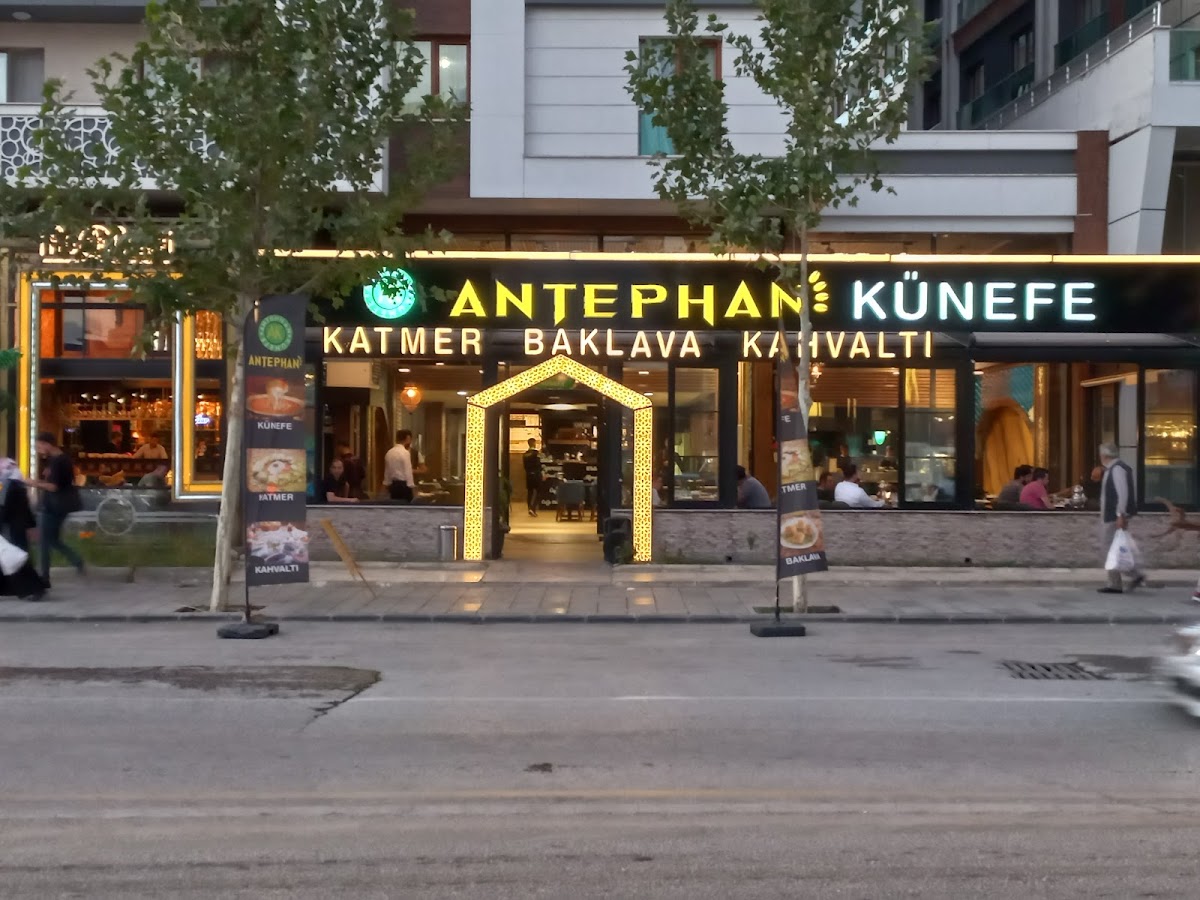
Overview
Walking into Antephan Künefe Katmer Van feels like stepping into a living kitchen story rather than a polished diner. I first heard about this place from a local friend who insisted that if you want to understand real Eastern Anatolian dessert culture, you don’t skim menus-you sit down and watch the process. That advice made sense the moment I saw the copper trays heating up and the pistachios being ground fresh instead of coming from a jar.
The location makes it easy to drop by, especially if you’re already moving through Alipaşa. Tucked along İskele Cd. apt.104/4A, 65109 İpekyolu/Van, Türkiye, the restaurant blends into the neighborhood in a way that feels intentional. It’s not flashy, but it’s busy, and that’s usually a good sign. Locals come in for quick plates, while visitors linger, watching katmer dough stretch paper-thin on the counter.
What stands out most is the menu focus. Instead of overwhelming pages, the selection revolves around künefe, katmer, and a few supporting sweets and drinks. That narrow focus actually shows confidence. Katmer here isn’t rushed. The dough is rested, stretched, layered with clotted cream and pistachios, then baked until crisp without burning. I asked one of the staff about the timing, and they explained that each katmer takes close to 12 minutes from pan to plate, depending on thickness. That level of control matters.
There’s also künefe, which many places get wrong by drowning it in syrup. Here, the balance is better. The cheese pulls cleanly, the shredded pastry stays crisp, and the syrup is added gradually. According to data from Turkey’s Ministry of Culture and Tourism, traditional künefe regions emphasize texture balance over sweetness, and this kitchen clearly follows that school of thought. You taste dairy first, sugar second.
A name that often comes up in conversations here is cengiz keremoglu, mentioned by locals as someone deeply involved in maintaining consistency and ingredient sourcing. While the staff doesn’t oversell personalities, that quiet attention to detail shows in portion control and plating. Every plate looks similar, which tells you there’s a system behind it, not guesswork.
From a nutrition standpoint, pistachios play a major role, and that’s not just about flavor. Research published by the American Heart Association notes that pistachios contain healthy fats and plant protein, which partially explains why katmer, despite being rich, feels satisfying without being overwhelming. Of course, this is still dessert, not health food, but quality ingredients make a difference in how you feel afterward.
Reviews from regulars often mention consistency. One customer I spoke to said they’ve been coming weekly for over a year and never had a dry katmer or overcooked künefe. That kind of reliability is rare in dessert-focused diners. Another reviewer described the experience as watching dessert craftsmanship in real time, and that phrase sticks because it’s accurate.
Service stays informal. No rehearsed scripts, just quick check-ins and plates arriving hot. If you’re unsure what to order, they’ll usually suggest starting with katmer and sharing künefe after, which makes sense portion-wise. Tea is served strong and unsweetened by default, cutting through the richness nicely.
There are limitations worth noting. Seating can feel tight during peak hours, and if you’re in a rush, this might not be your stop since everything is made to order. Still, that’s part of the appeal. This isn’t fast food; it’s a focused dessert kitchen rooted in regional tradition, built on process, repetition, and respect for ingredients.
Good to know
Service options
✓ Outdoor seating ✓ No-contact delivery ✓ Delivery ✓ Drive-through ✓ Takeaway ✓ Dine-inHighlights
✓ Great coffee ✓ Great dessert ✓ Great tea selectionAccessibility
✓ Wheelchair-accessible car park ✓ Wheelchair-accessible entrance ✓ Wheelchair-accessible seatingOfferings
✓ Coffee ✓ Halal food ✓ Vegetarian optionsDining options
✓ Dessert ✓ Seating ✓ Table serviceAmenities
✓ Toilet ✓ Wi-Fi ✓ Wi-FiAtmosphere
✓ Casual ✓ Cosy ✓ TrendyCrowd
✓ Family friendly ✓ Groups ✓ TouristsPlanning
✓ Reservations required ✓ Accepts reservationsPayments
✓ Credit cards ✓ Debit cards ✓ NFC mobile payments ✓ Credit cardsChildren
✓ Good for kids ✓ Has changing table(s) ✓ High chairsParking
✓ Free multi-storey car park ✓ Free of charge street parking ✓ Free parking lot ✓ ParkingPhotos
1 / 4
Location
Reviews
- No ratings yet 898 reviews
Everything was amazing: the deserts were great, the personal amazingly friendly and helpful and the location is welcoming.
Such a great experience for Kunefe. Surely one of the best in the City. Thanks to Ugur Bey for great hospitality.
I also saw it on Instagram. Thanks for the service and quality .Good luck…
Hizmet , kalite , lezzet on numara hem çalışanlat hem ortam çok samimi. Özellikle Melih beye güzel ağırladığı için teşekkür ediyorum